Introduction to Anti-Aging Applications in Orthopaedics
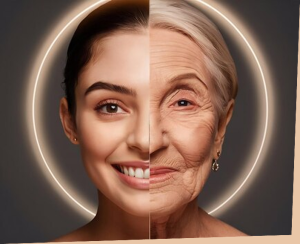
Have you ever wondered how we can keep our bones and joints healthy as we age? Well, that’s where anti-aging applications in orthopaedics come into play. It’s like giving our musculoskeletal system a fountain of youth! In this article, we’ll dive deep into the world of anti-aging orthopaedics and explore why it’s becoming increasingly important in modern medicine.
The Aging Process and Its Impact on Musculoskeletal Health
Before we can appreciate the importance of anti-aging applications, we need to understand how aging affects our bones and joints. It’s not just about wrinkles and gray hair, folks!
Cellular Aging
As we age, our cells start to slow down. They don’t divide as quickly, and they don’t repair damage as efficiently. It’s like our body’s maintenance crew is taking more and more coffee breaks!
Tissue Degeneration
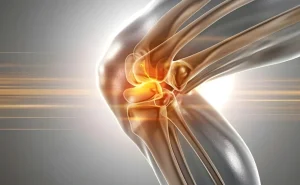
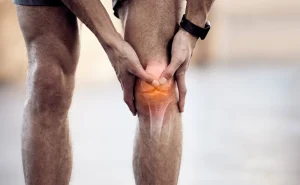
With cellular aging comes tissue degeneration. Our cartilage, tendons, and ligaments start to wear down, making us more prone to injuries and chronic conditions like osteoarthritis. It’s as if the cushions in our joints are slowly deflating.
Bone Density Loss
And let’s not forget about our bones! As we age, we start losing bone density, making our skeleton more fragile. It’s like our body’s scaffolding is slowly weakening, putting us at risk for fractures and osteoporosis.
Key Anti-Aging Approaches in Orthopaedics
Now that we’ve painted a picture of what we’re up against, let’s look at some of the exciting anti-aging approaches in orthopaedics. These aren’t just Band-Aid solutions; they’re like time machines for our joints!
Stem Cell Therapy
Stem cells are like the body’s master builders. They have the ability to transform into different types of cells, including those that make up our bones and cartilage. By harnessing the power of stem cells, orthopaedic specialists can potentially regenerate damaged tissues and slow down the aging process in our joints.
Platelet-Rich Plasma (PRP) Treatment
PRP treatment is like giving your joints a super-smoothie made from your own blood. By concentrating the healing factors in your platelets and injecting them into problem areas, doctors can stimulate tissue repair and reduce inflammation. It’s like sending a SWAT team of healing agents directly to where they’re needed most!
Gene Therapy
Gene therapy is on the cutting edge of anti-aging orthopaedics. By manipulating our genes, scientists hope to slow down or even reverse the aging process in our musculoskeletal system. It’s like reprogramming our body’s software to run more efficiently!
Nanotechnology
Nanotechnology in orthopaedics is like working with microscopic building blocks to repair and strengthen our bones and joints. These tiny particles can deliver medications precisely where they’re needed, help in tissue engineering, and even enhance the durability of joint replacements.
Benefits of Anti-Aging Applications in Orthopaedics
The potential benefits of these anti-aging applications are truly exciting. Let’s break them down:
Enhanced Tissue Regeneration
Anti-aging treatments can boost our body’s natural ability to repair and regenerate tissues. It’s like giving our internal repair system a major upgrade!
Improved Joint Function
By slowing down the aging process in our joints, these treatments can help maintain or even improve joint function. Imagine being able to move as freely in your 60s as you did in your 40s!
Reduced Pain and Inflammation
Many anti-aging applications focus on reducing chronic inflammation, which is a major source of pain in aging joints. It’s like turning down the volume on your body’s pain signals.
Accelerated Recovery
These treatments can speed up recovery from injuries or surgeries. It’s like pressing the fast-forward button on your body’s healing process!
Challenges and Limitations of Anti-Aging Orthopaedic Treatments
While the potential of anti-aging applications in orthopaedics is enormous, we must also acknowledge the challenges. Many of these treatments are still in their early stages and require more research to fully understand their long-term effects. Additionally, some treatments can be costly and may not be covered by insurance.
There’s also the question of accessibility. Not everyone will have access to these cutting-edge treatments, which raises important ethical considerations about healthcare equity.
Future Directions in Anti-Aging Orthopaedics
The future of anti-aging orthopaedics is bright and full of possibilities. Researchers are continually working on new treatments and refining existing ones. We might see advancements in areas like:
As these technologies evolve, we may be looking at a future where age-related orthopaedic conditions become much less common or severe.
Conclusion
The importance of anti-aging applications in orthopaedics cannot be overstated. As our population ages, maintaining musculoskeletal health becomes increasingly crucial for quality of life and independence. These innovative treatments offer hope for a future where we can stay active and pain-free well into our golden years.
While challenges remain, the potential benefits of anti-aging orthopaedics are too significant to ignore. As research progresses and treatments become more refined and accessible, we may be on the cusp of a revolution in how we approach aging and orthopaedic health.
So, the next time you hear about stem cells, PRP, or nanotechnology in medicine, remember: it’s not just science fiction. It’s the future of orthopaedics, working to keep us young from the inside out!
FAQs
What is the main goal of anti-aging applications in orthopaedics?
The main goal is to slow down or reverse the aging process in the musculoskeletal system, improving joint function, reducing pain, and enhancing overall quality of life as we age.
Are anti-aging orthopaedic treatments safe?
While many treatments show promise, some are still in experimental stages. It’s important to consult with a qualified orthopaedic specialist and consider the potential risks and benefits of any treatment.
How long do the effects of anti-aging orthopaedic treatments last?
The duration of effects can vary depending on the specific treatment and individual factors. Some treatments may provide long-lasting benefits, while others may require periodic repetition.
Can anti-aging orthopaedic treatments completely prevent joint deterioration?
While these treatments can significantly slow down the aging process and improve joint health, they cannot completely stop natural aging. However, they can greatly improve quality of life and function.
Are anti-aging orthopaedic treatments covered by insurance?
Coverage varies widely depending on the specific treatment and insurance plan. Many cutting-edge treatments may not be covered, so it’s important to check with your insurance provider.